
Acne is one of the most common skin conditions worldwide, affecting teenagers and adults alike. Sudden pimples and persistent breakouts can be frustrating, impacting both skin health and confidence.
While common myths blame chocolate or dirty skin, the real causes of acne are rooted in biology, lifestyle, and environmental factors. Understanding what causes acne is the first step toward building an effective, skin-friendly routine that restores balance without harsh chemicals.
In this guide, we break down the root causes of acne breakouts and explore gentle, science-backed ways to keep your skin clear and healthy.
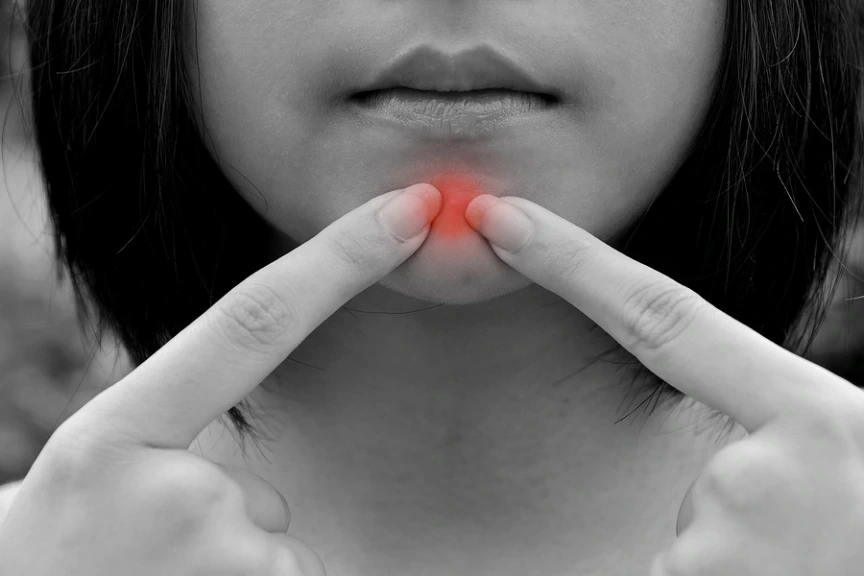
The Science: How an Acne Breakout Forms
At a microscopic level, acne begins inside your hair follicles (pores). Pores are connected to sebaceous glands, which produce sebum, a natural oily substance designed to lubricate and protect your skin.
When your skin is in harmony, sebum flows smoothly to the surface. However, a breakout occurs when this system gets disrupted by four core drivers:
The 4 Primary Root Causes of Acne
1. Excess Sebum (Oil) Production
Overactive oil glands produce more sebum than your skin needs. This extra oil sits inside the pore, creating a heavy environment where dead skin cells get stuck instead of shedding naturally.
2. Clogged Pores & Microcomedones
Your body naturally sheds dead skin cells every day. When excess oil is present, these dead cells stick together inside the hair follicle, forming a tiny plug called a microcomedone. This develops into:
- Whiteheads: Closed clogged pores trapped beneath the surface.
- Blackheads: Open clogged pores where air oxidizes the trapped oil, turning it dark.
3. Proliferation of Acne-Causing Bacteria
Our skin naturally harbors bacteria, including Cutibacterium acnes (C. acnes). Inside a blocked, oil-rich pore, air cannot enter. This oxygen-deprived, oily environment causes C. acnes bacteria to multiply rapidly.
4. Skin Inflammation & Immune Response
As bacteria overgrow, they break down sebum into irritating fatty acids. Your body’s immune system responds by sending white blood cells to combat the irritation, resulting in red, swollen pimples, papules, or deeper painful cysts.
Common Triggers That Cause Sudden Acne Breakouts
While the underlying mechanism is always a clogged, inflamed pore, several everyday factors can trigger or worsen breakouts:
Hormonal Fluctuations
Hormones called androgens surge during puberty, menstrual cycles, pregnancy, and periods of high stress. Elevated androgens cause sebaceous glands to enlarge and produce thicker, heavier oil. This is why hormonal acne frequently appears along the jawline, chin, and lower face.
Harsh Chemicals & Synthetic Skincare
Using heavy petroleum jelly, mineral oils, synthetic preservatives, or artificial fragrances can clog pores (comedogenic effect) and strip your skin’s protective moisture barrier. When the barrier is damaged, the skin overcompensates by producing even more oil, leading to a vicious cycle of breakouts.
Diet and High-Glycemic Foods
Diets high in refined carbohydrates, sugary foods, and dairy can spike insulin levels. Increased insulin triggers higher androgen activity and inflammatory responses in the skin, making acne worse for sensitive individuals.
Environmental Humidity & Sweating
For those living in warm, humid coastal regions (like Mangaluru and coastal Karnataka), sweat mixes with surface oil and environmental pollutants, trapping bacteria against the skin.
How to Prevent & Reduce Acne Breakouts Naturally
Treating acne does not require harsh chemical peels or stripping your skin with alcohol-based cleansers. In fact, gentle, botanical skincare often yields long-term results by working with your skin’s natural microbiome.
1. Switch to Chemical-Free, Botanical Formulations
Avoid petroleum-based gels, silicones, and synthetic parabens. Choose natural beauty products formulated with medicinal herbs and plant-derived emollients that soothe irritation without clogging pores.
2. Maintain Barrier-Safe Cleansing
Cleanse your face twice daily using a mild, non-comedogenic cleanser. Avoid aggressive scrubbing, which breaks the skin barrier and spreads inflammation.
3. Keep Skin Hydrated (Even Oily Skin!)
A common mistake is skipping moisturizer when you have acne. Dehydrated skin responds by overproducing oil. Use lightweight, lab-tested natural moisturizers that hydrate without synthetic shortcuts. Explore Kshithija’s full range of plant-based skincare formulations.
4. Practice Hygiene & Avoid Touching Your Face
Regularly change pillowcases, wipe down mobile phone screens, and keep hands away from your face to prevent transferring unwanted bacteria to open pores.
Restore Your Skin's Natural Balance
Understanding what causes acne empowers you to make smarter choices for your skin. By removing synthetic chemicals, petroleum jelly, and harsh irritants from your daily routine, you give your skin the environment it needs to heal.
Looking for gentle, plant-derived skincare designed for real results? Explore Kshithija Enterprises’ botanical personal care collection formulated in Mangaluru.
Experience Our Best Botanical Products Made from Nature
Looking for the best natural creams for hair fall, skin care and wellness ?
Kshithija’s Botanical Creams are crafted with nature-inspired ingredients to nourish your skin, hair, scalp and support healthy-looking growth. Suitable for regular use and designed for all skin & hair types.
Shop Now and Experience The Power of Kshithija Products
FAQs
Sudden breakouts are usually triggered by rapid hormonal shifts (stress or menstrual cycles), switching to pore-clogging skincare products, or diet spikes in sugar and dairy that trigger inflammation.
Yes. Botanical formulations rich in plant-based antimicrobials and soothing emollients help calm inflammation, balance oil production, and support skin healing without the harsh side effects or dryness caused by synthetic chemicals.
Hydration helps flush toxins and keeps skin cells functioning optimally, but water alone won’t cure acne if underlying hormonal or bacteria-related causes are unaddressed.
What causes hormonal acne usually involves androgen sensitivity or fluctuations in estrogen and progesterone. These changes increase sebum and commonly affect the lower face.
Causes of acne on face are similar but often amplified because facial skin has more oil glands and faces daily exposure to makeup, pollution, and touch, making it more visible and reactive.