
When we think about hair care, we often focus on the hair strands themselves seeking out the right conditioners or styling products. However, the secret to resilient, glowing hair lies beneath the surface. Scalp health is the foundation of hair growth. If your scalp is inflamed, dry, or clogged with chemical buildup, your hair follicles cannot function optimally.
Whether you are dealing with constant itching, dandruff, or noticeable hair fall, learning how to reduce inflammation and nourish your roots with plant-based ingredients is the first step to lasting relief.
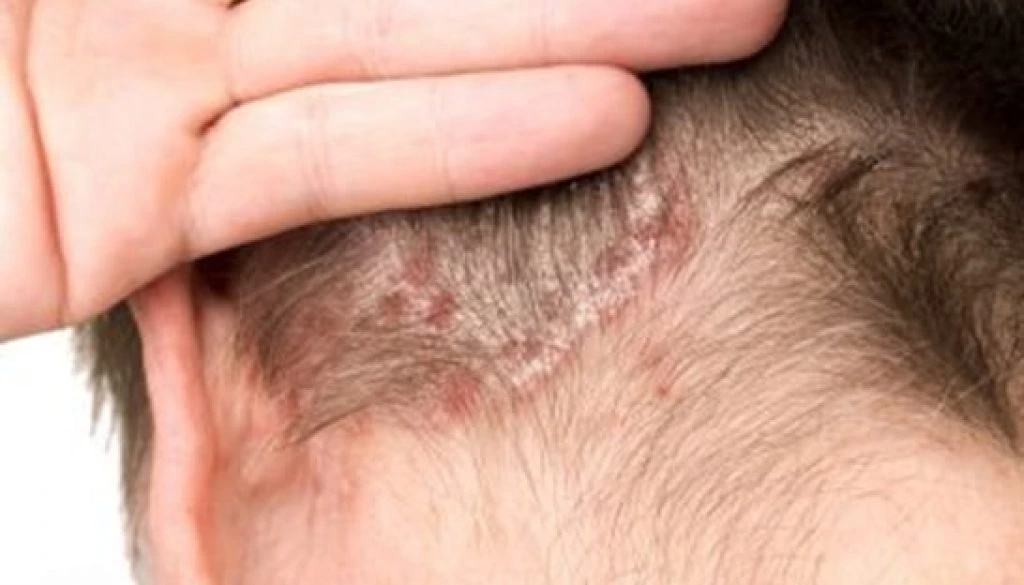
Signs of an Unhealthy, Inflamed Scalp
Scalp inflammation often builds up over time before triggering severe hair fall. It is crucial to recognize the early warning signs:
Healthy Scalp | Inflamed / Unhealthy Scalp |
Clear, smooth skin with no redness | Persistent redness, tenderness, or tightness |
No visible flakes or excessive oil | Greasy dandruff, dry flakes, or crusty patches |
Hair grows at a normal, consistent rate | Sudden increase in hair thinning and breakage |
Comfortable in humid or hot weather | Intense itching and irritation when sweating |
Common Causes of Scalp Inflammation
Understanding what damages your scalp helps you make better choices for your daily routine.
1. Harsh Chemical Shampoos and Conditioners
Many conventional hair products rely on sulfates to create lather and silicones to create a temporary shine. Sulfates strip the scalp of its natural sebum, leaving it dry and unprotected. Over time, silicones build up on the scalp, clogging hair follicles and preventing oxygen from reaching the roots.
2. Coastal Humidity and Environmental Stress
For those living in coastal areas like Mangaluru, high humidity mixed with urban pollution can trap sweat and dirt on the scalp. This creates an ideal environment for fungal overgrowth (the main cause of dandruff) and bacterial inflammation.
3. Nutritional and Hydration Deficiencies
Your scalp is skin. Just like the skin on your face, it requires hydration and antioxidants to repair itself. A lack of water intake and a diet low in essential vitamins can leave the scalp dry and prone to micro-tears.
How to Improve Scalp Health Naturally
You don’t need harsh medicated treatments to calm an angry scalp. Nature provides powerful, lab-tested botanical solutions that soothe inflammation without side effects.
Switch to Chemical-Free Hair Care
The most immediate way to reduce scalp inflammation is to eliminate irritants. Switch to 100% natural, chemical-free hair care products that contain zero parabens, synthetic fragrances, or petroleum derivatives.
Utilize Anti-Inflammatory Botanical Extracts
Look for natural ingredients specifically proven to soothe skin barriers:
- Aloe Vera: Provides instant cooling relief to inflamed skin and balances the scalp’s natural pH.
- Neem & Turmeric: Traditional medicinal herbs packed with natural antibacterial properties to fight dandruff and scalp infections.
- Coconut & Rosemary: Deeply penetrates the scalp to deliver essential fatty acids, promoting better blood circulation to hair follicles.
The Role of Kshithija’s Natural Hair Growth Cream
At Kshithija Enterprises, we believe in science in the service of nature. If you are struggling with scalp inflammation that is leading to hair fall, treating the root cause is essential.
Our Natural Hair Growth Cream for Hair Fall Control is formulated specifically to target both scalp health and hair resilience. Crafted in Mangaluru with pure botanical extracts, it acts as a soothing treatment for inflamed scalps while feeding the follicles the exact nutrients they need to grow strong hair.
Daily Habits to Protect Your Scalp Long-Term
- Massage Your Scalp: Spend 3–5 minutes massaging your scalp with your fingertips (not nails) daily. This stimulates blood flow and evenly distributes natural oils.
- Wash Smart, Not Hard: Avoid using boiling hot water, which strips natural lipids. Wash your hair with lukewarm water and gently pat your scalp dry instead of rubbing aggressively with a towel.
- Protect from UV Rays: The sun can burn your scalp just like the rest of your body. If you are spending long hours outdoors, wear a hat to prevent UV-induced inflammation.
Experience Our Best Botanical Products Made from Nature
Looking for the best natural creams for hair fall, skin care and wellness ?
Kshithija’s Botanical Creams are crafted with nature-inspired ingredients to nourish your skin, hair, scalp and support healthy-looking growth. Suitable for regular use and designed for all skin & hair types.
Shop Now and Experience The Power of Kshithija Products
FAQs
How can I make my scalp healthy?
Get a healthy scalp by washing it often with a gentle, sulfate-free shampoo, making sure to focus on the scalp instead of the longer parts of your hair.Gently massage the scalp to improve blood circulation, steer clear of tight hairstyles, and use specific remedies like aloe vera to help with itching.Also, keep your diet balanced with plenty of omega-3 fatty acids and protein.
How can I repair my scalp?
To properly repair a scalp, you need to address the underlying problem.Use mild cleansers to prevent removing the scalp’s natural oils, and apply specific treatments depending on your issue like salicylic acid for dandruff, ketoconazole for fungal infections, or aloe vera and jojoba oil for dryness.
Which foods improve hair?
To make your hair stronger and grow better, eat foods that are high in protein, omega-3 fatty acids, iron, zinc, and vitamins A, C, and E.These nutrients help your body make keratin, improve blood flow to the scalp, and stop hair from getting thin.
What heals the scalp naturally?
Heal your scalp naturally by addressing the underlying issue.If you have dry and irritated skin, use a calming aloe vera gel.If you’re experiencing itching or dandruff, gently massage a blend of 2 to 3 drops of antibacterial tea tree oil mixed with a carrier oil such as jojoba or coconut directly onto your scalp.
Why is Gen Z losing hair?
Young people from Generation Z are losing hair and experiencing thinning much earlier than past generations.This happens because of high levels of ongoing stress from today’s fast-paced life, poor nutrition from eating a lot of processed foods, lack of good sleep from using screens a lot, and genes that start acting up sooner than before.
How do I know if my scalp is inflamed?
Signs of inflammation include persistent itching, tenderness to the touch, red patches, excessive dandruff, and a tight or burning sensation, especially after applying synthetic hair products.
Can an unhealthy scalp cause hair thinning?
Yes. Chronic inflammation damages the hair follicles, pushing them into a resting phase prematurely. This weakens the hair root, leading to thinning, breakage, and eventual hair loss.
How long does it take to improve scalp health using natural products?
When you remove chemical irritants and switch to soothing botanical formulas, you can often feel a reduction in itching and redness within the first few days. Significant improvements in hair strength and dandruff reduction typically appear after 3 to 4 weeks of consistent use.