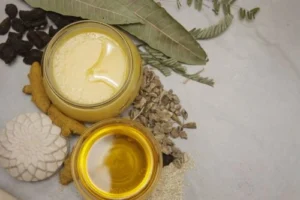

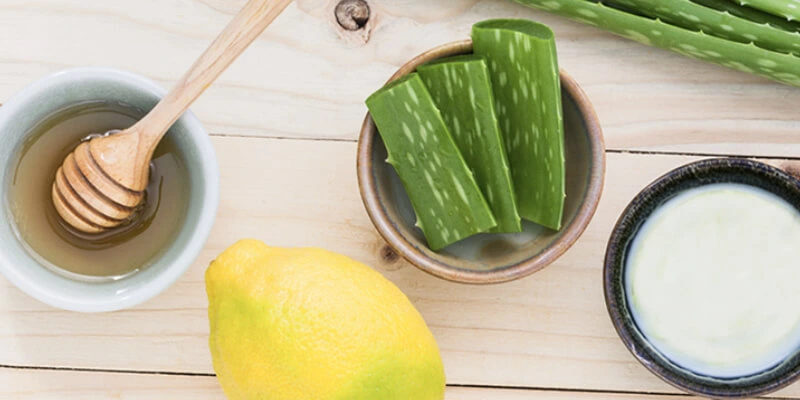
In today’s world, our skin is constantly exposed to pollution, extreme weather, and chemicals found in many products. These can weaken the skincare for sensitive skin protection. Because of this, more people are choosing skincare that doesn’t use harsh chemicals. These chemical-free products avoid ingredients like parabens, sulfates, artificial scents, and strong preservatives. This helps lower the chance of skin irritation and damage over time. It’s especially important for people with sensitive skin, as even small amounts of strong ingredients can cause redness, dryness, or breakouts. Chemical-free skincare uses natural ingredients like plant extracts, oils, aloe vera, chamomile, and shea butter.
These ingredients help calm and nourish the skin, supporting its natural functions instead of disrupting them. For those with sensitive skin, these products help keep the skin hydrated, strengthen its natural barrier, and reduce inflammation without causing extra stress on the skin. Another big advantage is better skin health in the long run. Using strong chemicals too often can take away the skin’s natural oils, making it more sensitive over time. By switching to chemical-free products, the skin can heal and become stronger. This approach also helps maintain a healthy balance of good bacteria on the skin, which protects against environmental damage. That’s why doctors often suggest gentle skincare routines with fewer ingredients as the best way to care for sensitive skin.
Skincare For Sensitive Skin: Natural Choices That Soothe
Skincare products for sensitive skin are often carefully chosen to avoid common irritants like parabens, sulfates, and artificial fragrances. Many people prefer natural alternatives because they are gentle on the skin. For example, plant-based ingredients can be used directly to help calm redness and irritation. Aloe vera gel is often recommended for sensitive skin because it helps with hydration without causing any reactions. This gel comes from the aloe plant and has been used for centuries in traditional remedies. However, it’s important to make sure that the products you choose have been tested for purity.
Also, essential oils can be used in your skincare routine if they are properly diluted. Lavender or chamomile oils, for example, are often mixed with carrier oils to make soothing serums. These natural oils are preferred over synthetic ones because they fit with the idea of using eco-friendly and simple skincare products. Choosing products that come in eco-friendly packaging, like wrapping films or stretch films made from biodegradable materials, helps support the environment.
In practice, you can make a simple homemade mask at home using oatmeal and honey. Oatmeal works as a natural exfoliant, and honey has antibacterial properties. These DIY options are part of the sensitive skin-friendly skincare approach, making them easy for everyone to use. When buying these ingredients, you can also use compostable carry bags to help reduce plastic waste.
Why Natural Ingredients Matter for Sensitive Skin
Natural ingredients are preferred in skincare products for sensitive skin because they lower the chance of causing an allergic reaction. Ingredients like calendula or green tea, which come from plants, are often added to creams and lotions because they help reduce inflammation. These ingredients are usually taken from sources that are taken care of in a responsible way. This connects to the conversation about whether skincare products are eco-friendly or not, as being kind to the environment is very important.
Also, vitamins such as E and C, which are found in natural forms, can be included in these products to help strengthen the skin’s natural protection. However, it’s important to use these vitamins in small amounts to avoid overwhelming the skin. Because of this, it’s a good idea to do a small test on the skin before using a new product.
Sensitive Skin Care Tips: Building a Gentle Daily Habit
Sensitive skin care focuses on being consistent and gentle to keep the skin balanced. Everyday routines should include only mild methods that help the skin rather than harm it. For example, using lukewarm water instead of hot water when washing the face helps protect the skin’s natural oils. Also, it’s better to gently pat the skin dry with a soft towel instead of rubbing it, which can cause more irritation.
When it comes to natural care, trying facial steaming with gentle herbs like rose petals once a week can help open the pores and let nutrients soak in better. But it’s important not to do it too often, as this might make the skin more sensitive. In terms of eco-friendly skincare, using herbs stored in compostable garment bags helps keep them fresh and also helps the environment.
To protect sensitive skin from the sun, wearing a hat and staying in the shade is helpful. This can be combined with using mineral-based sunscreens for extra protection. These practices help keep sensitive skin safe and healthy all day long.
Incorporating Hydration into Your Routine
Hydration is done by taking care of your skin in a gentle way, focusing on methods that help keep moisture in. Drinking a lot of water is recommended, and also using products on the skin. Natural ingredients like hyaluronic acid, which comes from plants, can be used to pull moisture into the skin.
To get the best results, you should apply products one after another in a light way first a toner, then a serum, and finally a moisturizer. This approach creates a barrier that helps protect the skin. This method follows the idea of using skincare products that are easy to find at home.
Dry Sensitive Skin Care: Addressing Common Concerns
Dry sensitive skin needs special care to deal with flakiness and tightness. To add moisture, oils like jojoba or argan are used because they are similar to the skin’s natural oils. These oils are gently rubbed into the skin after washing, giving quick comfort.
Also, it’s important to think about the environment. In dry areas, using a humidifier can help keep the air moist. But it’s also good to avoid strong winds and hot heaters. When it comes to choosing between compostable and regular skincare products for sensitive skin, using oils stored in compostable containers made from materials that can be broken down safely helps keep the environment friendly and avoids any dirt or contamination.
At night, thicker creams are better for repairing the skin. Ingredients like shea butter are melted and spread on the skin for deep hydration and nourishment.
Natural Remedies for Dry Patches
Remedies for dry and sensitive skin care include using masks made from avocado or banana, which are blended into a smooth paste. These masks should be left on the skin for about 15 minutes before washing off, which helps make the skin feel soft and smooth. By using these masks regularly, the skin can gradually become healthier and more moisturized over time.
Dry Sensitive Skin Care Routine: Step-by-Step Guide
A skincare routine for dry sensitive skin is designed to keep the skin well-hydrated without causing irritation. In the morning, start with a mild cleanser, then use a hydrating toner. After that, apply aloe vera gel, which works as a good base and soaks in quickly.
Throughout the day, you can spritz some mist to keep the skin moist. At night, if you wore makeup, do a double cleanse, then use serums and creams. This simple routine focuses on natural, gentle steps to care for sensitive skin without harsh chemicals.
To keep things balanced, exfoliate once a week with rice flour, which is gentle for dry skin. But be careful not to over-exfoliate, as that can damage the skin’s natural barrier. For extra care, add weekly masks and oils to your routine.Use a clay mask mixed with milk, but only a little at a time, so it doesn’t dry the skin. By paying attention to how your skin reacts, you can keep improving and adjusting your routine over time.
Aloe vera gel for sensitive skin: A Versatile Hero
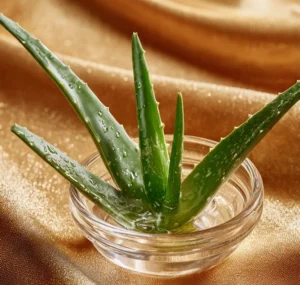
Aloe vera gel is great for sensitive skin because it helps cool and heal irritated skin. It can be used fresh or bought pure, and you can apply it directly or mix it into lotions. In homemade skincare recipes, it’s often mixed with cucumber to make a refreshing toner. This fits with eco-friendly, sensitive-skin care because it uses plant-based, zero-waste ingredients. Also, for sunburns, aloe vera is applied thickly to ease redness. Using a little every day can help avoid skin problems.
Maximising the benefits of aloe vera
To get the best results, store aloe vera gel for sensitive skin in the fridge for extra comfort. It also includes vitamin E capsules that help protect the skin with their antioxidant power. However, getting organic aloe vera ensures it’s clean and free from harmful chemicals.
Experience Our Best Botanical Products Made from Nature
Looking for the best natural creams for hair fall, skin care and wellness ?
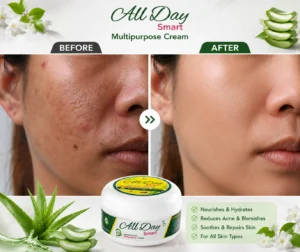
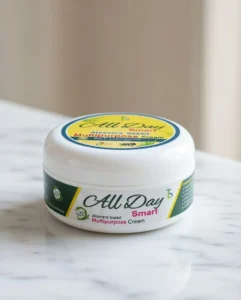
Kshithija’s Botanical Creams are crafted with nature-inspired ingredients to nourish your skin, hair, scalp and support healthy-looking growth. Suitable for regular use and designed for all skin & hair types.
Shop Now and Experience The Power of Kshithija Products
Conclusion
In short, the best natural skincare tips for sensitive skin focus on being gentle, using natural ingredients, and being eco-friendly. When choosing between compostable options and sensitive skin-friendly products, you can make green choices like using disposable bowls to mix masks or garbage bags to throw away waste. These small steps can fit easily into your daily skincare routine. By following these tips, you can take good care of your sensitive skin, helping it become healthier and stronger. Keep in mind that it takes time to see results, so be patient. Try what works for you, whether it’s using aloe vera or building a full skincare routine. Your skin will benefit from these choices.
FAQs
Soothing ingredients like aloe vera, chamomile, calendula, oatmeal, and cucumber can help ease irritation, lessen redness, and strengthen the skin’s natural defense.Moisturizing ingredients such as hyaluronic acid, glycerin, and light oils like squalane are also great choices.Make sure to do a patch test before trying any new ingredient.
Yes, even natural products can cause reactions.Essential oils, like lavender or tea tree, might cause irritation or allergies if used in strong concentrations.Citrus extracts and some plant oils, such as coconut oil, can also lead to problems for certain people.To reduce the risk, choose products that are fragrance-free, have simple ingredient lists, and are labeled as hypoallergenic or suitable for sensitive skin.
Use a gentle cleanser that doesn’t have soap and includes oatmeal or aloe.
Apply a hydrating serum or toner made with aloe or chamomile.
Choose a moisturizer that has ingredients like ceramides or squalane to repair the skin barrier.
Use a sunscreen that is mineral-based and contains zinc oxide.
Avoid using hot water, strong exfoliators, and washing your face too much.
Avoid using products with synthetic smells, harsh soaps, drying alcohol, preservatives, and intense essential oils.Be careful with oils high in oleic acid, such as coconut oil, as they can block pores or cause irritation.Look for products with simple, easy-to-read ingredient lists and always test a small amount on your skin first.
For flare-ups, try using cool compresses with chamomile tea, apply pure aloe vera gel, or take baths with colloidal oatmeal. In winter, use thicker moisturizers, and in summer, go for light hydrating products along with mineral sunscreen. Keep showers short and at a warm temperature, around 5 to 10 minutes, to keep your skin healthy.