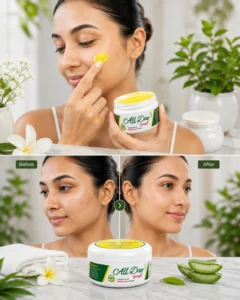


chemical free skincare In a time when health and the environment are becoming more important, people around the world are getting excited about natural beauty solutions. Think about using the best parts of nature to care for your skin in a way that’s gentle and healthy. Organic skincare uses ingredients from plants, and it offers real benefits. This blog explains the science behind how these natural ingredients work on the skin at a very deep level. As more people look for alternatives to chemical-based products, it’s important to understand how these natural options really work. Switching to organic skincare not only helps your skin but also supports a greener lifestyle. This post will show how effective organic skincare really is, proving that it’s more than just a fad it’s a change backed by science.chemical free skincare.
The Foundations of Organic Skincare
Chemical free skincare is based on the idea that nature offers powerful solutions for healthy skin. These products come from plants that are grown without harmful chemicals, and they use active ingredients like antioxidants and essential oils. Research shows that these natural components can actually get through the skin and help with moisturizing and healing. For example, polyphenols in green tea help fight harmful molecules called free radicals, which can make skin look older. But getting these ingredients into a product isn’t simple it requires careful methods to keep their strength and effectiveness. Because of this, organic skincare is known for being clean and strong, which is great for people who prefer to avoid man-made chemicals.
Words like “furthermore” help us see how these benefits actually work in everyday life. When people use organic skincare, they often find their skin is less sensitive, and the natural good bacteria on their skin can grow better because there are no harsh chemicals like parabens and sulfates.
Organic Skincare Products: Unlocking Botanical Potency
Organic skincare products use natural plant extracts to help improve the skin in specific ways. Ingredients like aloe vera and chamomile are well-known for calming the skin, and this is supported by studies published in dermatology journals. Many of these products go through clinical testing to make sure their claims are true, so the anti-inflammatory benefits aren’t just stories but real science. Also, the way vitamins are delivered in organic products makes them easier for the skin to absorb, which leads to noticeable improvements in the skin’s texture.
Natural Skincare Routine: Building Habits for Long-Term Glow
A natural skincare routine focuses on using plant-based products regularly. It begins with a mild cleanser that has herbal ingredients, then moves to serums containing natural oils. This method helps the skin handle stress from the environment better. When people switch to this type of routine, their skin’s protective layer gets stronger, as shown by research on restoring skin lipids.
Exploring the Cellular Mechanisms
At the center of organic skincare is complex chemistry. Natural ingredients work with skin cells by controlling inflammation and helping make collagen. For example, resveratrol, which comes from grapes, helps activate sirtuins, which are enzymes connected to living longer and repairing skin. This process explains why organic skincare works well, as scientists often say: it’s effective because it lowers oxidative stress.
But there are difficulties in making these natural ingredients the same every time. The quality of the soil can change how strong the ingredients are, but new technology in biology helps make them more consistent. So, organic skincare brings together old knowledge with new science, giving products that are both kind to the skin and really effective.
Natural Skincare: The Role of Antioxidants in Protection
Natural skincare uses antioxidants to protect the skin from harmful things like sunlight and pollution. Antioxidants, such as vitamin C found in citrus fruits, help fight harmful chemicals in the body that can make skin look older. Studies show that applying these antioxidants directly to the skin can help the body make more collagen, which makes the skin feel tighter and healthier.
Best Herbal Skin Care Products: Evidence from Clinical Studies
The best herbal skincare products are the ones that have been tested in studies and show better moisture results than man-made alternatives. For example, turmeric contains curcumin, which helps control the body’s immune reactions and can reduce issues like acne.
Sustainability in Organic Skincare Packaging
Organic skincare isn’t just about the ingredients used in the products it also includes eco-friendly ways of doing business. Many brands now use packaging that’s kind to the environment, like containers made from materials similar to compostable tableware or clamshell-style packaging made from biodegradable materials. These choices help lessen the harm to the planet and match the idea of natural beauty. When shopping, some stores offer reusable bags, which help people develop better habits of using them again. Even bags used to carry delicate skincare items protect them while being transported, and stretch wraps are used to pack large orders without using plastic.
Additionally, things like disposable bowls for mixing face masks and garbage bags for proper waste disposal are part of the routine. These small steps make sure that organic skincare helps take care of the Earth. By using these practices, customers play a part in creating a system where resources are reused and waste is minimized.
Herbal Skin Care: Integrating Tradition with Innovation
Herbal skincare brings together old-time remedies and modern science. Echinacea has sugars in it that help skin heal better, and studies that don’t involve active testing show that this helps the skin repair itself.
Challenges and Future Directions
Organic skincare has many benefits, but some people still think it doesn’t last very long. However, plant-based products can be kept fresh using natural preservatives, which help keep them effective. In the future, nanotechnology might improve how ingredients are delivered, making them work better in the skin. Words like “consequently” show that as more people care about sustainability, organic skincare might become the top choice in the market.
Experience Our Best Botanical Products Made from Nature
Looking for the best natural creams for hair fall, skin care and wellness ?
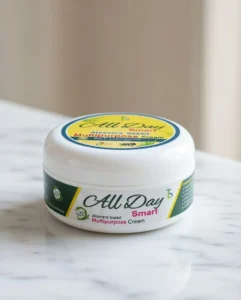
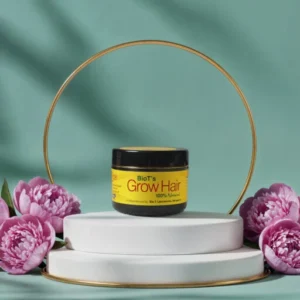
Kshithija’s Botanical Creams are crafted with nature-inspired ingredients to nourish your skin, hair, scalp and support healthy-looking growth. Suitable for regular use and designed for all skin & hair types.
Shop Now and Experience The Power of Kshithija Products
Conclusion
Organic skincare mixes science with nature, showing that using plants can really work and has plenty of proof. It uses things like antioxidants to fight aging and eco-friendly packaging, such as carry bags and clam shells, to cut down on waste. This way, beauty routines become better for both your skin and the planet. By switching to organic products, you’re not just taking care of your skin, but also helping the environment. Choosing these products opens the door to a healthier, more balanced way of living. Let organic skincare guide you to skin that looks bright and stays strong, supported by science and inspired by the earth.
FAQs
Organic skincare products differ by using certified plant-derived ingredients free from chemicals, offering gentler, more effective care through natural synergies.
Natural skincare routine for beginners includes cleansing with herbal infusions, moisturizing with oils, and protecting with antioxidants, building gradually for optimal results.
Natural skincare is adaptable for various types, with tailored botanicals addressing dryness, oiliness, or sensitivity through science-backed formulations.
Best herbal skin care products feature lavender for calming and rosehip for regeneration, supported by studies on their cellular interactions.
Natural skincare is adaptable for various types, with tailored botanicals addressing dryness, oiliness, or sensitivity through science-backed formulations.