
When you invest time and money into a daily beauty routine, you expect your products to nourish, protect, and enhance your skin. However, many conventional cosmetics on the market are secretly packed with toxic ingredients. If you are struggling with irritation, premature aging, or a damaged skin barrier, it is crucial to ask: what harmful chemicals should you avoid in skincare products?
Whether you have a durable complexion or you are desperately searching for safe skincare products for dry skin, learning to read ingredient labels is your first line of defense.
Why Ingredient Awareness is Crucial for Your Skin
Your skin is your body’s largest organ, and it absorbs a significant percentage of what you apply to it. When you use products formulated with harsh synthetic chemicals, those toxins can enter your bloodstream. Over time, these chemicals can disrupt your hormones, cause severe allergic reactions, and strip your skin of its natural moisture.
This is especially dangerous for sensitive or dehydrated skin types. Harsh chemicals destroy the lipid barrier, making it nearly impossible for the skin to retain water.
Top 4 Harmful Chemicals You Must Avoid
To protect your health and your complexion, audit your bathroom cabinet and throw out anything containing these major offenders:
1. Parabens (Methyl, Butyl, Ethyl, Propyl)
- Parabens are synthetic preservatives used to extend the shelf life of cosmetics. Unfortunately, they are known endocrine disruptors. This means they mimic estrogen in the human body, which has been linked to hormonal imbalances and reproductive issues. Always look for labels explicitly stating “Paraben-Free.”
2. Sulfates (SLS and SLES)
Sodium Lauryl Sulfate (SLS) and Sodium Laureth Sulfate (SLES) are foaming agents found in face washes and body soaps. While they create a satisfying lather, they are aggressive detergents. Sulfates strip the skin of its natural oils. If you are shopping for skincare products for dry skin, avoiding sulfates is the single most important change you can make to stop the tight, flaky feeling after washing.
3. Synthetic Fragrances (Parfum)
Because fragrance formulas are protected under trade secret laws, companies do not have to disclose the hundreds of individual chemicals that make up their “signature scent.” Many of these hidden chemicals are allergens and phthalates. Opt for fragrance-free products or those scented naturally with high-quality essential oils.
4. Drying Alcohols (SD Alcohol, Isopropyl, Denatured)
While some fatty alcohols (like cetyl alcohol) are actually good for hydration, drying alcohols are used to make heavy creams feel weightless and dry quickly. Over time, they erode the skin’s surface, leading to severe dehydration, redness, and accelerated aging.
How to Protect Your Safe Skincare Investment
Once you have cleared out the toxic products and invested in clean, hydrating formulas, you need to protect them. High-quality, chemical-free products often lack the harsh synthetic preservatives that standard cosmetics rely on.
To keep your safe products fresh and effective:
- Keep them out of the sun: UV rays can break down active ingredients like Vitamin C and retinol.
- Avoid humidity: Don’t leave your expensive creams on the edge of a steamy shower where bacteria can breed.
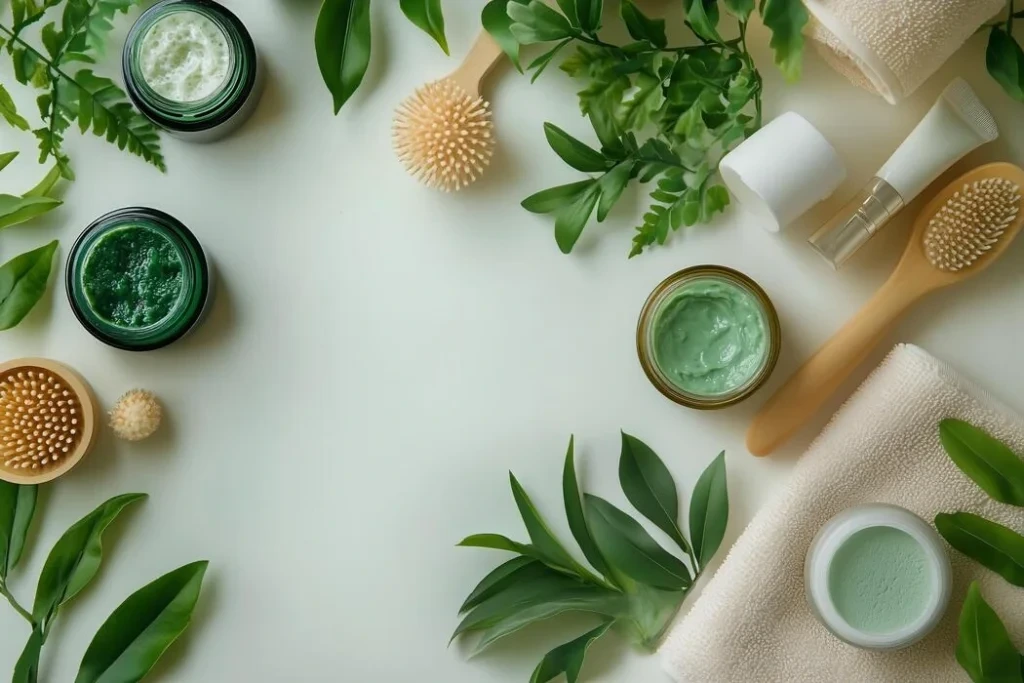
- Use a dedicated storage solution: Keeping your routine neatly arranged in a proper skincare organizer in a cool, dry place ensures your products last longer and remain hygienic.
The Bottom Line
Transitioning to a clean beauty routine doesn’t happen overnight, but becoming an educated consumer is the first step. By knowing exactly what harmful chemicals you should avoid in skincare products, you can protect your long-term health and achieve a radiant, naturally hydrated complexion. Check your labels, ditch the sulfates and parabens, and give your skin the clean hydration it deserves.
Experience Our Best Botanical Products Made from Nature
Looking for the best natural creams for hair fall, skin care and wellness ?
Kshithija’s Botanical Creams are crafted with nature-inspired ingredients to nourish your skin, hair, scalp and support healthy-looking growth. Suitable for regular use and designed for all skin & hair types.
Shop Now and Experience The Power of Kshithija Products
FAQs
Common ones include parabens, sulfates (SLS/SLES), phthalates, formaldehyde releasers, oxybenzone, and synthetic fragrances. These may cause irritation, hormone disruption, or other concerns with repeated exposure.
Parabens can mimic estrogen and potentially disrupt hormonal balance, while sulfates strip natural oils, leading to dryness, barrier damage, and increased sensitivity. Both contribute to irritation in daily use
In the future of herbal skincare, watch for fermented adaptogens, plant-derived exosomes, beta-glucan from natural sources, and Ayurvedic powerhouses like bakuchiol or kachnar. These innovations enhance efficacy in organic skincare products, blending ancient wisdom with modern science to address concerns like barrier repair, longevity, and climate-stressed skin.
Beginners should start slowly by patch-testing new organic skincare items and introducing one product at a time to monitor skin response. Consulting a dermatologist is advisable during the transition, especially for sensitive skin, as the future of herbal skincare focuses on personalized, barrier-supporting formulas that may require adjustment periods.
Sustainability has become central to herbal skincare market trends, with consumers demanding traceable ingredients, eco-friendly packaging, and regenerative farming practices. Brands responding to this shift not only reduce environmental impact but also build stronger trust, driving the overall growth of natural skincare industry.