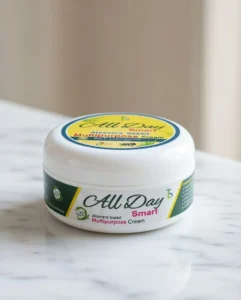

Living along Karnataka’s coastline means living with humidity almost year-round, and your skin feels every bit of it. Mangaluru’s thick, salt-laden air changes how skin behaves compared to drier inland cities, which means finding the best moisturizer for humidity matters more here than generic skincare advice suggests. Understanding what humid, coastal weather does to your skin is the first step to picking a formula that actually helps rather than adds to the problem.

Why Humidity Changes What Your Skin Needs
Humid air carries more moisture, so skin doesn’t lose water through evaporation the way it does in dry climates. This can trick people into skipping moisturizer altogether, assuming the air itself is doing the job. In reality, humidity often increases oil production as skin tries to regulate itself, which can leave the surface feeling both damp and dehydrated underneath.
Coastal humidity is also paired with heat and salt exposure, a combination that can clog pores faster than in drier regions. Sweat mixes with natural oils and environmental pollutants, sitting on the skin for longer because it cannot evaporate quickly in moisture-heavy air. Over time, this can contribute to breakouts, dullness, and an uneven texture that many coastal residents notice more in monsoon and summer months.
The best moisturizer for this climate needs to hydrate without adding heaviness. Lightweight, plant-derived formulas that balance water content are generally better suited than rich, occlusive creams designed for cold or dry conditions. This is where ingredient choice becomes the deciding factor between a moisturizer that helps and one that makes humidity-related skin issues worse.
Best Moisturizer Ingredients for Humid, Coastal Weather
Humid-weather skincare benefits most from humectants and lightweight emollients rather than heavy oils or petroleum-based bases. Ingredients like aloe vera and glycerin draw moisture into the skin without leaving a greasy film, which matters when the surrounding air is already thick with moisture. These botanical bases tend to absorb quickly, so skin feels hydrated rather than sticky through the day.
Non-comedogenic plant oils, used in small quantities, can still be part of a good humid-climate moisturizer. Formulations built around botanical extracts rather than mineral oils or synthetic silicones tend to sit better on coastal skin because they don’t trap sweat and heat against the surface. This is one reason chemical-free, plant-derived creams are often recommended for people living in high-humidity zones.
Avoiding heavy synthetic preservatives and artificial fragrances also matters more in coastal weather. Warm, moist conditions can make skin more reactive, and synthetic additives are more likely to trigger irritation or breakouts when skin is already working overtime to regulate oil and moisture. A simple ingredient list focused on natural hydration is usually the safer, more effective choice.
Choosing the Best Moisturizer for Oily or Combination Skin in Coastal Humidity
Oily and combination skin types often struggle most in coastal humidity because excess oil combines with environmental moisture to create a persistently shiny, congested feel. Skipping moisturizer entirely usually backfires here, since dehydrated skin tends to overcompensate by producing even more oil. A lightweight, gel-based or water-based natural cream helps regulate this balance without adding extra shine.
Look for a formula that absorbs fully within a few minutes and leaves no visible residue. Botanical ingredients with mild mattifying properties, combined with hydration, tend to work well for oily and combination skin in coastal cities like Mangaluru. Applying a thin, even layer rather than a thick coat also prevents the clogged-pore issues common in this climate.
For combination skin, focusing product on drier zones like the cheeks while keeping the T-zone lighter helps manage both oiliness and dryness at once. A natural moisturizer formulated for everyday use across different skin types is especially useful here, since it hydrates without overwhelming any one area of the face.
Common Moisturizing Mistakes in Humid Coastal Weather
Skipping moisturizer because the air already feels humid enough is one of the most common mistakes coastal residents make. Skin still loses water through its own natural processes regardless of ambient humidity, and going without one often leads to more oil production, not less. A lightweight formula applied consistently is almost always better than none at all.
Using heavy, occlusive creams meant for dry or cold climates is another frequent misstep. These formulas can trap heat, sweat, and bacteria against the skin in coastal conditions, contributing to breakouts rather than preventing them. Switching to a lighter, plant-based formula suited to warm, moist air makes a noticeable difference within a few weeks.
Ignoring the scalp and hairline is a less obvious mistake but a real one in humid coastal regions, since moisture buildup near the hairline affects skin and scalp health alike.
FAQs
1. Do I still need a moisturizer if the air feels humid?
Yes. Humid air slows water loss from skin but doesn’t stop it, and skipping moisturizer often triggers more oil production rather than less.
2. What's the best moisturizer texture for humid, coastal weather?
Lightweight, fast-absorbing, water- or gel-based formulas generally work best, since they hydrate without leaving a heavy or greasy film.
3. Can oily skin skip moisturizer in Mangaluru's climate?
No. Oily skin still needs hydration; a lightweight, non-comedogenic moisturizer helps regulate oil production rather than add to it.
4. Why does my skin break out more in humid weather?
Sweat, oil, and environmental pollutants combine more easily in humid air and can clog pores, especially when heavy or synthetic moisturizers are used.
5. Is a natural moisturizer better than a chemical-based one for humidity?
Plant-derived moisturizers free from mineral oils and synthetic preservatives tend to sit lighter on skin and are less likely to trap heat and sweat, which matters in coastal conditions.