Acne is still one of the most common skin issues around the world, and it affects both teenagers and adults. Many people deal with sudden pimples showing up when they least expect it, which can be really frustrating and make them feel less confident. Knowing what causes acne is the first step toward getting clearer skin. There are a lot of myths out there, like the idea that chocolate or dirty faces are the only reasons for breakouts. But the real story is more complicated, involving several different factors. In this post, we take a closer look at the main causes of acne, such as too much oil on the skin and inflammation caused by bacteria that live on the skin. By the end, you’ll have useful tips to help you deal with breakouts more effectively.
Understanding the Basics of Acne Formation
Acne happens when hair follicles, also called pores, get blocked. These small holes are connected to sebaceous glands, which make sebum, an oily liquid that usually keeps the skin moisturized. But when sebum mixes with dead skin cells, it forms a blockage. This blockage can lead to blackheads, whiteheads, or angry pimples. Four main things cause acne: too much sebum, skin cells not shedding properly inside the follicle, bacteria, and inflammation.
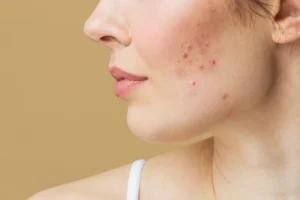
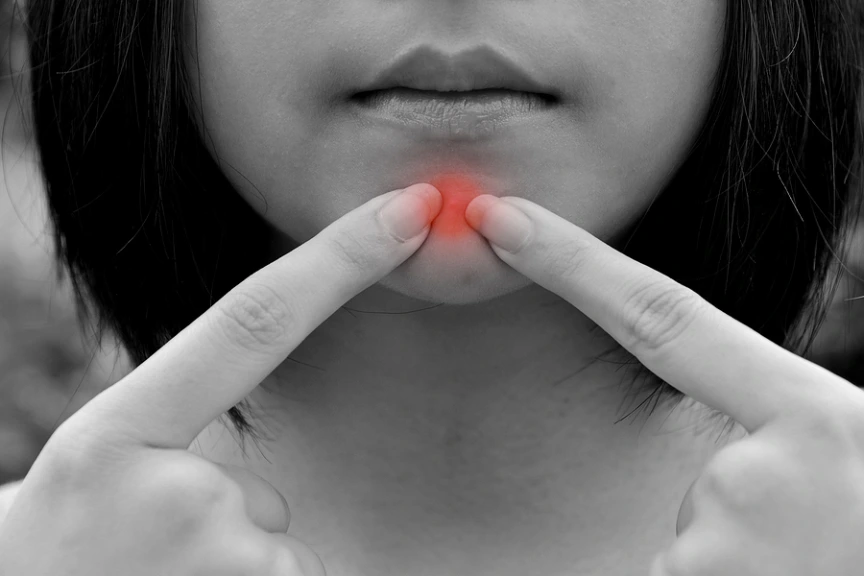
These factors don’t work alone they often make each other worse. For example, when pores get clogged, bacteria can grow there, and the body’s immune system reacts, causing redness and swelling. Acne on the face is common because the face has a lot of sebaceous glands. Areas like the forehead, cheeks, chin, and jaw are more likely to get breakouts because of this. Also, the face is often touched, exposed to makeup, and polluted air, which can make acne worse.
Excess Sebum Production: The Oily Foundation of Breakouts
One of the main causes of acne is when the skin produces too much of an oily substance called sebum. The glands that make this oil can become overactive, especially when hormones, like androgens such as testosterone, are involved. During puberty, higher levels of these hormones can make the glands bigger and cause them to produce more oil. Even in adulthood, changes in hormone levels can lead to similar issues.
This extra oil doesn’t just stay on the surface of the skin. It combines with dead skin cells and can clog the hair follicles. This leads to the formation of microcomedones, which are the earliest signs of acne. People who have skin with sensitive sebaceous glands might experience this more, even if their hormone levels are normal.
As people move from their teenage years into adulthood, many still deal with oily skin. Things like stress can make the problem worse because stress causes the body to release cortisol, which affects androgen activity. That’s why managing stress is important for people who have oily or acne-prone skin.
The Role of Acne Causing Bacteria
Acne-causing bacteria, mainly Cutibacterium acnes (formerly called Propionibacterium acnes or P. acnes), help turn clogged pores into red, inflamed pimples. This type of bacteria lives naturally on human skin, especially in areas with oil glands. Usually, it doesn’t cause any problems. But when it gets trapped inside oily hair follicles, it starts to multiply quickly. As the bacteria eat the oil, they produce substances that irritate the walls of the follicles. This irritation can cause the follicle to break open, leading to inflammation.
The body’s immune system then sends white blood cells to fight the infection, which can result in pus-filled pimples or deep, painful cysts in more severe cases. It’s also important to know that not all strains of C. acnes cause acne some are more likely to contribute to breakouts than others. When the balance of bacteria on the skin is disrupted, these harmful strains can take over. Treatments that kill bacteria can be effective, but using them too much can also harm good bacteria. For this reason, it’s better to use treatments that keep the skin’s bacteria in balance.
Hormonal Influences: What Causes Hormonal Acne
Hormonal acne usually starts from changes in hormones that tell oil glands to produce more oil. Androgens are the main ones involved, but estrogen, progesterone, and insulin-like growth factor also play a role. In teens, puberty causes big changes in hormones. In women, things like their menstrual cycle, pregnancy, or menopause can lead to breakouts, especially around the jaw and chin.
Adult acne often comes from the same hormonal issues. For example, when estrogen levels drop during perimenopause, androgens become stronger, leading to more oil and lasting pimples. Conditions like polycystic ovary syndrome (PCOS) naturally increase androgens, making hormonal acne more common. Stress can also cause cortisol levels to rise, which acts like androgens and makes the problem worse.
Birth control pills, hormone treatments, or stopping them can change hormone levels and affect acne. Since hormonal acne tends to be deeper and more inflamed, it doesn’t always respond the same way as regular acne. A dermatologist can help find out what’s causing the imbalance through tests if needed.
Additional Triggers: Diet, Lifestyle, and External Factors
Beyond basic body functions, certain factors that can be changed affect how bad acne gets. Eating a lot of foods that are high in sugar and refined carbs can raise insulin levels, which then increases the production of androgen hormones and oil in the skin. Some studies suggest that drinking milk might lead to higher levels of IGF-1, which could worsen breakouts for some people.
The products you use on your skin and face also make a big difference. Some ingredients in lotions, makeup, or hair products can block pores and cause more acne. Rubbing your face a lot or wearing tight clothing, helmets, or other items that press against the skin can cause irritation and spread bacteria. Things like humidity, pollution, and sun exposure can also make skin inflammation worse.
Your genes also have a big role in acne. If your parents had serious acne, you’re more likely to get it too because of inherited traits that affect oil production, skin cell behavior, and how the body reacts to inflammation. However, even if you’re genetically prone to acne, you can still manage breakouts by keeping up with good habits.
Some medicines, like corticosteroids, lithium, or anabolic steroids, can cause acne as a side effect. In these cases, the problem often comes from changes in hormone levels or direct irritation of the hair follicles.
Why Acne Persists into Adulthood
Many people think acne stops after high school, but adult acne affects a lot of people, especially women. Hormones change as we age, and other lifestyle factors add to the problem. When life gets busy, people may skip their skincare routine, feel more stressed, and make worse food choices all of which can lead to breakouts.
Also, dark spots and scars from past acne can make new pimples more obvious. Many adults try different store-bought products without fixing the real reasons behind their acne, which can make the problem last longer. Taking a balanced approach that looks at both what’s going on inside the body and what’s happening on the skin leads to better results over time.
Effective Strategies to Address the Root Causes
This article focuses on the causes of acne rather than treatments, but understanding the causes can lead to effective solutions. Using gentle cleansing helps remove extra oil and dirt without drying out the skin, which can make it produce more oil as a reaction. Choosing products labeled as non-comedogenic helps avoid further clogging of pores. Making lifestyle changes, such as managing stress through exercise or meditation, eating a balanced diet, and getting enough sleep, can help keep hormones in check.
If acne is not improving, it’s helpful to seek professional advice. This allows for personalized care that targets specific issues like bacterial infections or hormonal imbalances. Taking action early can prevent scarring and boost confidence in your skin. In summary, acne happens because of a mix of factors, including too much oil, clogged hair follicles, bacteria, inflammation, and hormonal changes.
The reasons for acne can vary depending on age and individual differences, but the basic causes stay similar. By knowing what causes hormonal acne, adult acne, and facial acne, people can take steps to reduce breakouts. Clearer skin is possible when the root causes are addressed properly instead of just covering them up. For more skincare tips and professional help, visit kshithija.in.
FAQs
Acne primarily results from the interaction of excess oil production, dead skin cell buildup, bacterial proliferation, and inflammation within hair follicles. Hormonal changes often initiate this process.
Adult acne causes frequently include hormonal fluctuations related to menstrual cycles, pregnancy, menopause, or stress. Skincare products, diet, and genetics also contribute significantly.
Cutibacterium acnes thrives in clogged, oily pores and produces irritating substances that trigger immune responses, turning simple plugs into red, inflamed pimples.
What causes hormonal acne usually involves androgen sensitivity or fluctuations in estrogen and progesterone. These changes increase sebum and commonly affect the lower face.
Causes of acne on face are similar but often amplified because facial skin has more oil glands and faces daily exposure to makeup, pollution, and touch, making it more visible and reactive.