
In today’s beauty world, many products claim to give you glowing skin, but some contain ingredients that might do more harm than good over time. Chemical-free skincare has become more popular as people start to realize the possible dangers of synthetic additives. Not all chemicals are bad, but some common ones have made experts worry about things like skin irritation, hormone imbalance, and long-term health issues.
This blog looks at the harmful chemicals you should avoid in skincare and gives you a useful list of toxic ingredients to watch out for.
By learning about these risks and how to spot harmful chemicals on product labels, you can make smarter choices that help your skin stay healthier and improve your overall well-being. Switching to gentler, more natural products often results in better skin comfort and stronger, more resilient skin over time.skincare organizer.
Why Switching to Chemical-Free Skincare Matters
Modern skincare routines often include using creams, serums, cleansers, and sunscreens every day. Over time, even small amounts of certain ingredients can build up in the skin. Many people notice issues like sensitivity, dryness, or breakouts after using conventional products for a long period.
Skincare that avoids chemicals uses ingredients from plants, minerals, and other natural sources instead of harsh synthetic chemicals.
This method helps reduce skin irritation and lowers the chance of absorbing harmful substances into the body. As more people become aware of these concerns, many brands are creating cleaner options that work well without using questionable ingredients.
What Harmful Chemicals Should You Avoid in Skincare Products
Several ingredients that are often found in everyday products have started to be questioned. These substances are usually used as preservatives, foaming agents, or for adding fragrance, but they might have some negative effects, which is why it’s better to avoid them, especially when used regularly.
Parabens: Common Preservatives with Possible Hormone Impact
Parabens like methylparaben, propylparaben, and butylparaben are used to keep products fresh by stopping bacteria from growing.
They are present in lotions, creams, and makeup. The reason parabens and sulfates can be bad for the skin is because they act like estrogen in the body. Research shows they might interfere with hormone function, which could affect reproductive health and make some people more sensitive. Using multiple products daily can lead to a buildup, which worries scientists about long-term effects on hormone balance. Some people also experience skin irritation or allergic reactions.
Sulfates: Harsh Cleansers That Strip Natural Oils
Sodium lauryl sulfate (SLS) and sodium laureth sulfate (SLES) are commonly used in cleansers, shampoos, and body washes because they create a thick, foamy lather. Even though they are good at cleaning away dirt and oil, they can also take away the skin’s natural protective oils. This can lead to dryness, redness, and more sensitive skin. People with eczema, acne-prone skin, or mature skin may find that sulfates make their skin more irritated and can affect the balance of the skin’s natural bacteria. Using these products over time can weaken the skin’s defense against external factors, making it easier for irritation and other skin issues to occur.
Phthalates: Hidden in Fragrances and Plastics
Phthalates help scents last longer and make products feel smoother. They are often grouped under vague terms like “fragrance” or “parfum” on packaging, which makes them hard to identify. These chemicals act as endocrine disruptors and have been connected to issues related to reproduction in several studies. Since they aren’t always listed separately, it’s important for people to be careful when choosing scented items. Going for fragrance-free products is a better choice for safer, chemical-free skincare.
Formaldehyde and Formaldehyde-Releasers
Formaldehyde, which is known to cause cancer, is found directly in some nail polishes and hair treatments. Other ingredients like quaternium-15, DMDM hydantoin, and imidazolidinyl urea release formaldehyde over time as they act as preservatives. Being exposed to formaldehyde can lead to skin irritation, breathing problems, and allergic reactions. Using these products often over a long period might increase the risk of cancer, especially for people who use them regularly in salons or at home. Many European regulatory agencies have already banned these ingredients because of the safety risks they pose.
Other Concerning Ingredients in the List of Toxic Ingredients in Skincare to Avoid Daily
- Oxybenzone: Some chemical sunscreens contain ingredients that can mess up hormones and hurt coral reefs. Instead, mineral sunscreens with zinc oxide or titanium dioxide provide good protection without those problems.
- Triclosan: An antibacterial ingredient that can affect the thyroid and is linked to antibiotic resistance has been removed from most hand soaps. However, it might still be found in some skincare products.
- Synthetic fragrances: These products might include many hidden chemicals that can cause allergies or skin reactions. It’s better to choose items that are labeled as “fragrance-free” or have natural scents instead.
- Coal tar derivatives and certain dyes: These are sometimes found in colors or treatments and have been marked as possibly harmful to health.
By looking at this list of harmful ingredients in skincare products, you can better understand which ones to avoid for improved skin health.
Are Chemical-Based Skincare Products Safe for Long-Term Use
This question often comes up among people who are into skincare. Using regulated products for a short time usually doesn’t cause any immediate harm for most people. But when you use them every day over a period of months or even years, it can lead to real concerns.
Whether chemical-based skincare products are safe for long-term use depends on individual factors such as skin type, general health, and the specific ingredients used. Certain chemicals might lead to long-term issues like chronic dryness, damage to the skin’s protective barrier, or slight changes in hormone levels that may not show up immediately. People with sensitive skin or conditions like rosacea are more likely to feel these effects more strongly.
Experts suggest reducing contact with common irritants and disruptors. Switching to skincare products that don’t contain chemicals helps the skin work the way it’s meant to and lowers the chances of problems. A lot of people notice their skin becomes more calm and balanced after they make this change, showing that preventing issues is better than trying to fix them later.
Benefits of Embracing Chemical-Free Skincare
Moving away from harsh synthetic ingredients can lead to smoother skin, fewer breakouts, and a stronger protective barrier. Natural options, when made properly, offer hydration, antioxidants, and calming benefits without drying or irritating the skin.
Additionally, skincare that’s free from chemicals is often better for the environment, as it avoids ingredients that can linger in waterways or harm ocean life.
Many people enjoy the comfort of using products that support their health goals and avoid possible harmful substances.
Experience Our Best Botanical Products Made from Nature
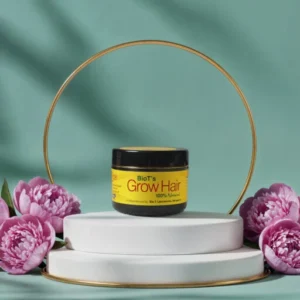
Looking for the best natural creams for hair fall, skin care and wellness ?
Kshithija’s Botanical Creams are crafted with nature-inspired ingredients to nourish your skin, hair, scalp and support healthy-looking growth. Suitable for regular use and designed for all skin & hair types.
Shop Now and Experience The Power of Kshithija Products
Conclusion:
Knowing which harmful chemicals to avoid in skincare helps you build a routine that really takes care of your skin. From parabens and sulfates to hidden phthalates and formaldehyde releasers, being aware is the first step in protecting yourself. By keeping a solid list of toxic ingredients to avoid and learning how to spot harmful chemicals on product labels, you can choose items that are both safe and effective.
Chemical-free skincare isn’t about fear, it’s about taking control and choosing products that work with your body’s natural needs.
Start by changing one or two products, read labels carefully, and notice how your skin reacts. Over time, these thoughtful choices lead to healthier, more radiant skin and better overall well-being. For more tips on natural beauty and wellness, visit kshithija.in and discover resources that support your path to a cleaner, healthier lifestyle.
FAQs
Common ones include parabens, sulfates (SLS/SLES), phthalates, formaldehyde releasers, oxybenzone, and synthetic fragrances. These may cause irritation, hormone disruption, or other concerns with repeated exposure.
Parabens can mimic estrogen and potentially disrupt hormonal balance, while sulfates strip natural oils, leading to dryness, barrier damage, and increased sensitivity. Both contribute to irritation in daily use
In the future of herbal skincare, watch for fermented adaptogens, plant-derived exosomes, beta-glucan from natural sources, and Ayurvedic powerhouses like bakuchiol or kachnar. These innovations enhance efficacy in organic skincare products, blending ancient wisdom with modern science to address concerns like barrier repair, longevity, and climate-stressed skin.
Beginners should start slowly by patch-testing new organic skincare items and introducing one product at a time to monitor skin response. Consulting a dermatologist is advisable during the transition, especially for sensitive skin, as the future of herbal skincare focuses on personalized, barrier-supporting formulas that may require adjustment periods.
Sustainability has become central to herbal skincare market trends, with consumers demanding traceable ingredients, eco-friendly packaging, and regenerative farming practices. Brands responding to this shift not only reduce environmental impact but also build stronger trust, driving the overall growth of natural skincare industry.